
The World Is Not Poor. It Is Poorly Governed.
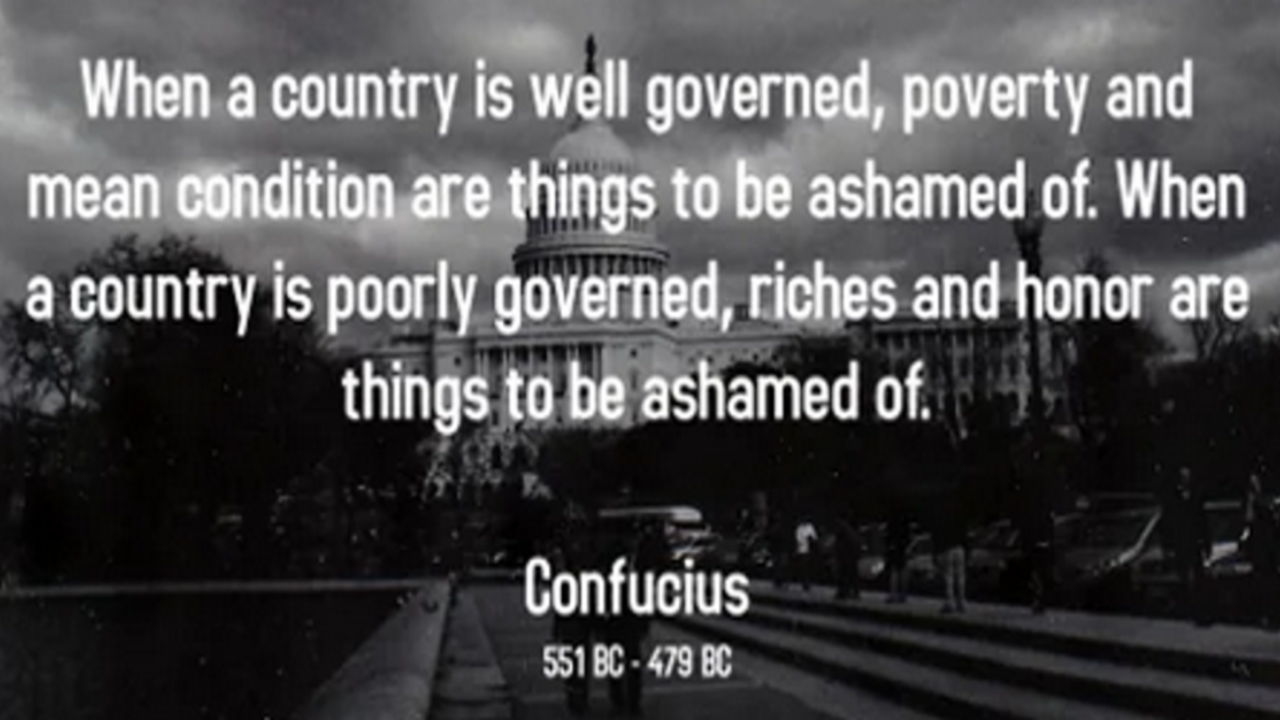
Wealth Is Growing. Stewardship Is Not.
Across the world, wealth is expanding at an unprecedented pace. Entrepreneurs are building businesses. Professionals are earning more. Families are becoming global. Yet in many countries, a different reality exists alongside this growth.
- Economic inequality remains high.
- Financial systems are often fragmented.
- Governance is weak or inconsistent. And access to structured financial guidance is limited.
In such environments, wealth is not only difficult to build — it is even harder to protect.
Many families operate without:
- independent financial oversight
- clear structures of control
- long-term planning across generations
The result is predictable. Wealth is created, but not sustained. Opportunities exist, but are not secured. Growth happens, but without stability.
The Real Constraint Is Not Wealth. It Is Stewardship.
Some countries have shown that a different path is possible. In places such as Singapore, the Nordic nations, and Switzerland, economic progress has been accompanied by stronger social cohesion and institutional trust.
These systems did not remove inequality completely. But they introduced something critical:
discipline, governance, and responsibility.
They learned how to manage the “beast of the economy” rather than be overwhelmed by it.
What Change Really Looks Like
The lesson from The Day The Chariot Moved by Subroto Bagchi is simple, but powerful:
change does not need to last forever to matter.
In many nations, there is a tendency to wait for perfect systems, permanent reforms, or complete transformation.
But real change often begins differently.
It starts by:
- building people, not just structures
- creating capability, not dependency
- introducing discipline into practice
- planting ideas that others can carry forward
Even if systems evolve or governments change, the impact remains through those who have adopted better ways of working.
Change becomes transmitted, not imposed.
And over time, it compounds.
From Idea to Practice
This is where a practical response is needed.
Not theory. Not policy alone. But a way to equip professionals on the ground.
PWFO was created with this intention.
It recognises that the gap is not only at the level of families, but also at the level of those who serve them.
Many professionals are highly skilled, yet operate within fragmented systems. They lack a unifying framework that brings together:
- financial control
- governance
- long-term stewardship
PWFO seeks to address this by promoting a structured approach based on fiduciary discipline. Its role is not to replace existing professions, but to strengthen them. To help professionals move from advice in isolation to coordinated stewardship of wealth.
The Swiss Fiduciary Tradition
For more than a century, Switzerland has built a reputation as one of the world’s most trusted financial centres.
This reputation was not created solely through financial expertise. It emerged from a culture built on:
- fiduciary responsibility
- independence
- long-term thinking
- discretion and trust
Swiss fiduciaries historically played a crucial role in helping families manage their affairs with discipline and continuity.
PWFO draws inspiration from this tradition and seeks to extend its principles to a global professional community.
A Quiet but Real Shift
The objective is not to transform entire economies overnight.
It is to start where change is possible:
- with professionals,
- with practices,
- with discipline.
If enough individuals adopt better standards, if enough firms operate with fiduciary clarity, then over time, systems improve.
As the chariot analogy reminds us: we may not control how far the change travels, but we can set it in motion.
And that, in itself, is meaningful change.
Read if you care about protecting, not just creating wealth, this matters.
#WealthCare#FamilyOffice#Fiduciary#WealthManagement#FinancialGovernance#PrivateWealth#Stewardship#SwissModel#EconomicStability#FinancialControl#ProfessionalPractice#LegacyPlanning#WealthPreservation#PWFO#IndependentControl

