
How the Family Lost Its Central Role - Week 2
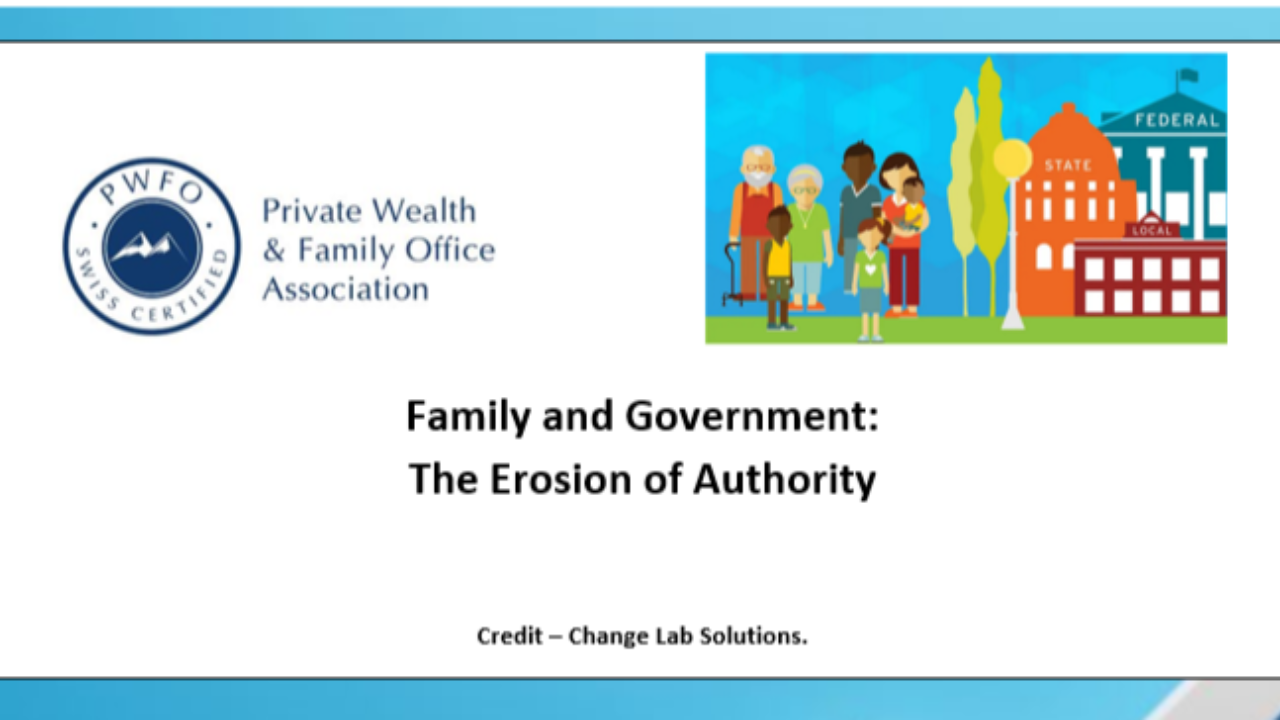
Google Ai: The family has lost its central role due to major societal shifts, primarily industrialization and modernization, which transferred many of its traditional economic and social functions to external institutions like the factory, the school, and the state. This process has led to increased individualism and diverse family structures
Dear Reader,
The decline of the family’s influence over society was not the result of a single event, but of gradual shifts across politics, economics, and culture.
1. The State and Social Policy Governments stepped in to provide services and safety nets once delivered by extended families. While these interventions improved lives, they also reduced direct dependency on family networks, changing the dynamics of responsibility and care.
2. From Kinship to State-Centred Society Where communities once operated around kinship obligations, modern societies increasingly look to state systems for support, weakening the binding role of the family in everyday life.
3. The Unintended Trade-Off The gains in equality, education, and social protection came with a cost: families became less central as decision-makers in matters of welfare, upbringing, and intergenerational security.
If the family is to reclaim its place as the 4th great institution, it must adapt its purpose — not only as a source of love and nurture, but also as a hub of economic, social, and ethical leadership.
Kind regards,
Ayoob Rawat
#FamilyAsInstitution#SymbolicPolitics#PWFOPhilosophy#LegacyLeadership#PerformativeActivism#SocietalRepair#FourthInstitution#ValueDrivenFamilies#BeyondWedgeIssues#ResilientLegacy
To reclaim the God‑given role that families were meant to uphold, we must first understand how and why the family lost its central place in our lives. So read to find out why!

